


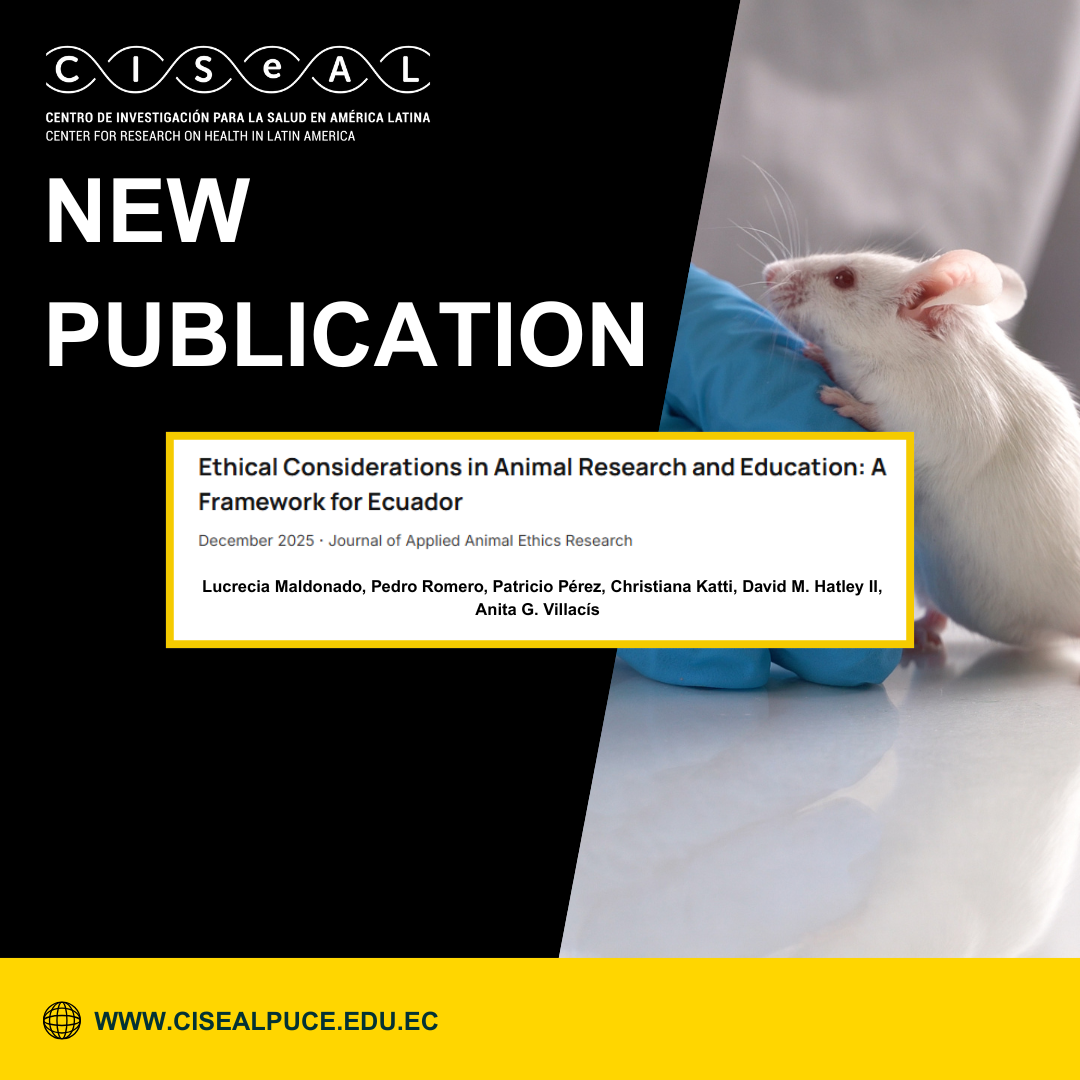
 The present study, developed with the participation of Dr. Anita Villacís, critically analyzes the limited ethical oversight structures for animal research in Ecuador, within a context in which scientific productivity is high but institutional control mechanisms remain insufficient. In response to this issue, the research proposes a bioethical framework for the creation of an Animal Research Ethics Committee (CEIA) at the Pontificia Universidad Católica del Ecuador (PUCE), particularly oriented toward areas such as Biomedicine and related disciplines. The analysis is based on a qualitative review of policies and guidelines from 20 leading universities worldwide, selected through stratified sampling of the QS 2020 ranking in Life Sciences and Medicine, whose documents were coded and analyzed using Atlas.ti software. The results show that the principle of Refinement is the most developed internationally, followed by Reduction and, to a lesser extent, Replacement, reflecting a strong concern for minimizing animal suffering through proper handling, pain control, humane criteria, and comprehensive welfare.
The study reaffirms that the use of animals in research is ethically justifiable only when no scientifically valid alternatives exist and when the potential benefits outweigh the harm caused, in accordance with the principle of the 3Rs. In the Ecuadorian context, although the regulatory framework recognizes these principles and the country stands out for the constitutional recognition of the Rights of Nature, a significant gap persists in the implementation of institutional ethics committees, a situation that limits the autonomy, efficiency, and scientific competitiveness of institutions such as PUCE. In light of this scenario, the research concludes that the creation of an institutional CEIA is not only a regulatory and ethical requirement, but also a key strategy to strengthen a culture of responsible research, ensure animal welfare, optimize ethical review processes, and position the university within international standards of scientific excellence, also becoming a replicable model for other institutions in Ecuador and Latin America.
For a deeper understanding of the data, analysis, and recommendations, we invite you to review the full article at: