Search our Site

Our researchers are a reflection of CISeAL's permanent effort to invest its best resources and human talent

in the pursuit of wellbeing for those who need it the most.
perfilesinves


LucianaArmijos

Luciana Armijos, M.D.     


Emerging diseases

Estudios  Education:

  • 2017. Master in Public Health. Johns Hopkins Bloomberg School of Public Health. USA. Speciality: Health Systems and Policies. 
  • 2017. Certificate in Applied Epidemiology. Johns Hopkins Bloomberg School of Public Health. USA.
  • 2013. Doctor in Medicine. Universidad Complutense de Madrid, España. Integrated Master in Medical Research.

Cargo actual  Current position: 

  • Adjunct Investigator to the group of Dr. Ruth Jimbo-Sotomayor at the Center for Research on Health in Latin America.
  • Consultant at Corporación Andina de Fomento – CAF.
  • Postgraduate Professor, School of Medicine. Pontificia Universidad Católica del Ecuador. 

Investigacin actual  Current research (PUCE): Health and Vulnerable Groups.  

Publicaciones recientes  Recent publications

  • Armijos, L., Tello, B., Sevilla, C., Cano, I., Fonseca, J., Vivas, L., Rivadeneira, M., Jimbo, R., Sánchez, X., Santillán, N., Espín, I.  (2022). Development of a web-based tool –The Score Bebé ®– for enhancing neonatal risk stratification: A nationwide retrospective study. In: Jay Kalra and Nancy Lightner (eds) Healthcare and Medical Devices. AHFE (2022) International Conference. AHFE Open Access, vol 51. AHFE International, USA. http://doi.org/10.54941/ahfe1002102
  • Jimbo-Sotomayor, R., Watts, E., Armijos, L., Sriudomporn, S., Sánchez, X., Echeverria, A., Whittembury, A., Patenaude, B. (2022). Return on Investment of 10-Valent Pneumococcal Conjugate Vaccine in Ecuador From 2010 to 2030. Value in Health Regional Issues 31, 148-154. doi:https://doi.org/10.1016/j.vhri.2022.05.003
  • Acosta-Vargas, P., Dueñas-Espín, I., Armijos, L., Fonseca, J., Santillán, N., Jimbo, R., Rivadeneira, M.F., Xánchez, X., Sevilla, C., Tello, B. and Vivas, L. (2021). Challenges of Web Accessibility in a Health Application to Predict Neonatal Mortality – The Score Bebe ®. In: Nunes I.L. (eds) Advances in Human Factors and System Interactions. AHFE 2021. Lecture Notes in Networks and Systems, vol 265. Springer, Cham. https://doi.org/10.1007/978-3-030-79816-1_30
  • Dueñas-Espín I, Armijos-Acurio L, Espín E, Espinosa-Herrera F, Jimbo R, León-Cáceres Á, et al. (2021) Is a higher altitude associated with shorter survival among at-risk neonates? PLoS ONE 16(7): e0253413. https://doi.org/10.1371/journal.pone.0253413
  • Moreno Roca, A., Armijos Acurio, L., Jimbo Sotomayor, R., Céspedes Rivadeneira, C., Rosero Reyes, C. & López Ayala, C. (2021). Cohort study of the overall survival of patients with pancreatic cancer in a hospital of specialties of Quito-Ecuador in the period 2007–2017. Innovative Surgical Sciences, (). https://doi.org/10.1515/iss-2020-0030
  • Sánchez, X., Orrico, M., Morillo, T., Manzano, A., Jimbo, R. and L. Armijos (2021). Reducing unnecessary antibiotic prescription through implementation of a clinical guideline on self-limiting respiratory tract infections. PLOS ONE 16(4): e0249475. https://doi.org/10.1371/journal.pone.0249475
  • García, M., Acurio, M. L. A., Sotomayor, R. J., Sanchez, X., & Guijarro, S. (2019). Analysis of births, abortions and maternal mortality in adolescents in Ecuador from 2013 to 2016. International Journal of Pediatrics and Adolescent Medicine. https://doi.org/10.1016/j.ijpam.2019.07.002
  • Choez, X. S., Acurio, M. L. A., & Sotomayor, R. E. J. (2018). Appropriateness and adequacy of antibiotic prescription for upper respiratory tract infections in ambulatory health care centers in Ecuador. BMC Pharmacology and Toxicology, 19(1), 1-11. https://doi.org/10.1186/s40360-018-0237-y
  • Ortiz-Prado, E., Castillo, T. A., Olmedo-López, M., Armijos, L., Ramírez, D., & Iturralde, A. L. (2018). Cesarean section rates in Ecuador: a 13-year comparative analysis between public and private health systems. Revista Panamericana de Salud Pública, 41, e15. https://doi.org/10.26633/RPSP.2017.15  
  • Armijos, L., Escalante, S., & Villacrés, T. (2017). La evaluación de tecnologías sanitarias en el Ministerio de Salud Pública de Ecuador como herramienta para la compra de medicamentos entre 2012 y 2015. Revista Panamericana de Salud Pública, 41, e50. https://www.scielosp.org/article/rpsp/2017.v41/e50/es/
  • Ortiz-Prado, E., Ponce-Zea, J., Ramirez, D., Stewart-Ibarra, A. M., Armijos, L., Yockteng, J., & Cárdenas, W. B. (2016). Rabies epidemiology and control in Ecuador. Global journal of health science, 8(3), 113. doi: 10.5539/gjhs.v8n3p113

Redes  Orcid:  http://orcid.org/0000-0001-8881-1892 

                  ResearchGatehttps://www.researchgate.net/profile/Maria_Armijos


Marco Neira, PhD.Marco Neira round


Biology, Physiology, and Control of Mosquitoes (Diptera: Culicidae) of medical interest

  Estudios  Education: 

  • 2013 - 2015. Postdoctoral fellow Fogarty International Center (National Institutes of Health), D43 Training Grant.
  • 2009 - 2010. Postdoctoral fellow. Vector Group. Liverpool School of Tropical Medicine.
  • 2005 - 2009. Postdoctoral fellow.The Whitney Laboratory. University of Florida, St. Augustine, Florida.
  • 2005. PhD. in Biological Sciences. Ohio University, OH, USA.
  • 2001. Master in Arts. International Development Affairs – Health Concentration. Ohio University, OH, USA.
  • 1999. Bachelor in Biology. Pontificia Universidad Católica del Ecuador. 

Cargo actual  Current position:  

  • Adjunct researcher to the group of Dr. Anita Villacís. 


Publicaciones recientes  Recent publications

  • Sippy, R., Rivera, G.E., Sanchez, V., ... and Neira, M. (2020). Ingested insecticide to control Aedes aegypti: developing a novel dried attractive toxic sugar bait device for intra-domiciliary control. Parasites Vectors 13, 78. https://doi.org/10.1186/s13071-020-3930-9
  • Pilaquinga, F., Morejón, B., Ganchala, D., Morey, J., Piña, N., Debut, A. & Neira M. (2019). Green synthesis of silver nanoparticles using Solanum mammosum L. (Solanaceae) fruit extract and their larvicidal activity against Aedes aegypti L. (Diptera: Culicidae). PLOS ONE 14(10): e0224109. https://doi.org/10.1371/journal.pone.0224109

Libros

  • Anita G. Villacís, Fabián E. Sáenz, Marco V. Neira, Mario J. Grijalva. 2018. Ecosalud en las enfermedades transmitidas por vectores: Chagas, Dengue y Malaria. Tercer tomo (Ciencia de la Salud). La Medicina Ecuatoriana en el siglo XXI. Academia Ecuatoriana de Medicina Universidad Andina Simón Bolívar, Corporación Editora Nacional, editor Jaime Breilh.

Redes  Orcid:  http://orcid.org/0000-0001-8068-5772 

                  ReseachGatehttps://www.researchgate.net/profile/Marco_Neira 

Our researchers are a reflection of CISeAL's permanent effort to invest its best resources and human talent in the pursuit of wellbeing for those who need it the most.
perfilesinves


Ana María Gómez, M.D.Anagomez


 Evidence-Based Medicine applied to Infectious Diseases / HIV virus resistance.

Estudios  Education: 

  • 2019 - currently. Ph.D. in Health Sciences, European University of Madrid. Madrid Spain.
  • 2019. Fellowship in Infectious Diseases and HIV. Hospital Germans Trias i Pujol, Foundation for the Fight Against AIDS. Barcelona, Spain. 
  • 2019. Master in Infectious Diseases and Antimicrobial Treatment. Cardenal Herrera University. Valencia, Spain. 
  • 2019. Master in University Education. European University of Madrid, Spain.  
  • 2018. Training - Internship hands-on Infectious Diseases / HIV / Transplant. University of Illinois Hospital. USA. 
  • 2018. Diploma in Scientific Research Methodology. Universidad San Francisco de Quito, Ecuador. 
  • 2017. Master in HIV infection. Rey University Juan Carlos. Madrid, Spain.
  • 2016. Speciality in Internal Medicine. Pontificia Universidad Católica del Ecuador.

  • 2010. Medicine. Pontificia Universidad Católica del Ecuador.

Cargo actual  Current position: 

  • Associate Investigator to the group of Dr. Ruth Jimbo-Sotomayor at the Center for Research on Health in Latin America.
  • Assistant Professor School of Medicine. Pontificia Universidad Católica del Ecuador.
  • Associate Researcher, One Health-Research Group. Universidad de las Américas, Quito Ecuador.
  • Member of the scientific committee of the Municipality of Quito, for decision-making during the health emergency due to COVID-19. Quito Ecuador.
  • Attending Physician of Internal Medicine. Novaclinica and Atlas Clinic. Quito Ecuador.

Investigacin actual  Current research (PUCE): Health and Vulnerable Groups. 

Publicaciones recientes  Recent publications

  • López-Cortés, A., Guevara-Ramírez, P., Kyriakidis, N. C., Barba-Ostria, C., León Cáceres, Á., Guerrero, S., Ortiz-Prado, E., Munteanu, C. R., Tejera, E., Cevallos-Robalino, D., Gómez-Jaramillo, A. M., Simbaña-Rivera, K., Granizo-Martínez, A., Pérez-M, G., Moreno, S., García-Cárdenas, J. M., Zambrano, A. K., Pérez-Castillo, Y., Cabrera-Andrade, A., … Paz-y-Miño, C. (2021). In silico Analyses of Immune System Protein Interactome Network, Single-Cell RNA Sequencing of Human Tissues, and Artificial Neural Networks Reveal Potential Therapeutic Targets for Drug Repurposing Against COVID-19. Frontiers in Pharmacology, 12, 598925. https://doi.org/10.3389/fphar.2021.598925
  • Ortiz-Prado, E., Simbaña-Rivera, K., Gómez-Barreno, L., Rubio-Neira, M., Guaman, L. P., Kyriakidis, N. C., ... & López-Cortés, A. (2020). Clinical, molecular and epidemiological characterization of the SARS-CoV2 virus and the Coronavirus disease 2019 (COVID-19), a comprehensive literature review. Diagnostic microbiology and infectious disease, 115094. https://doi.org/10.1016/j.diagmicrobio.2020.115094 
  • López-Cortés, A., Guevara-Ramírez, P., Kyriakidis, N. C., Barba-Ostria, C., Cáceres, Á. L., Guerrero, S., ... & Paz-y-Miño, C. (2020). In Silico Analyses of Immune System Protein Interactome Network, Single-Cell RNA Sequencing of Human Tissues, and Artificial Neural Networks Reveal Potential Therapeutic Targets for Drug Repurposing Against COVID-19. ChemRxiv. Preprint. https://doi.org/10.26434/chemrxiv.12408074.v1
  • Houck, K. M., Terán, E., Ochoa, J., Zapata, G. N., Gomez, A. M., Parra, R., ... & Thompson, A. L. (2019). Drinking water improvements and rates of urinary and gastrointestinal infections in Galápagos, Ecuador: Assessing household and community factors. American Journal of Human Biology, 32(1), e23358.  https://doi.org/10.1002/ajhb.23358

Redes  Orcid:  https://orcid.org/0000-0003-2180-7316  

                  ResearchGate: https://www.researchgate.net/profile/Ana_Maria_Gomez_Jaramillo
The Healthy Living Initiative (HLI) was born in 2009 to respond to the question: “how can long-term sustainable elimination of Chagas disease in southern Ecuador be achieved?” To seek answers to this question the Infectious and Tropical Disease Institute (ITDI) formed an alliance with the Center for International Studies (CIS) at Ohio University and the Center for Research on Health in Latin America (CISeAL), at Pontifical Catholic University of Ecuador (PUCE)

H3L casa recortada

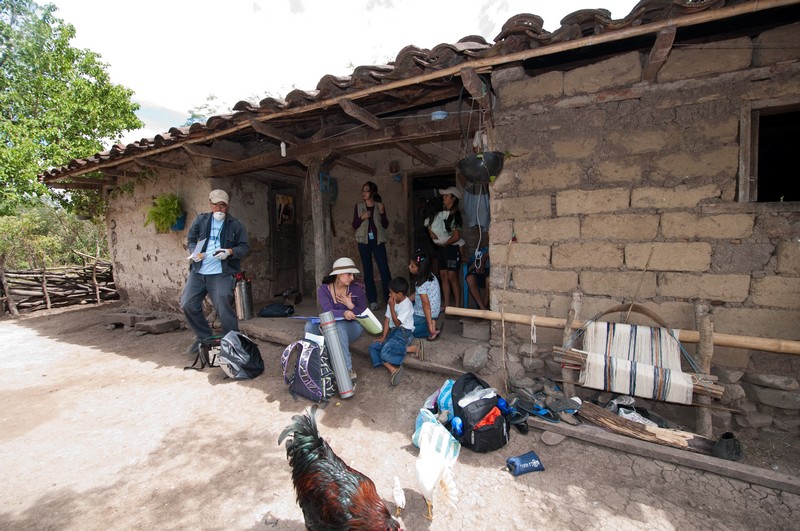
Starting with a blank whiteboard, graduate students and faculty investigated how similar efforts had been conducted worldwide and, in 2010, carried out the first field research to understand the problem of Chagas elimination from the perspective of local stakeholders and the inhabitants of three rural communities in Loja province, who are directly caught up in this intractable problem.

The data collected led to three action lines: Infrastructure, Income Generation and Health. After a conscious research, we discovered that all efforts to eradicate Chagas Disease in Southern Ecuador might be inefficient if we do not face the structural issues that have an impact on the matter.

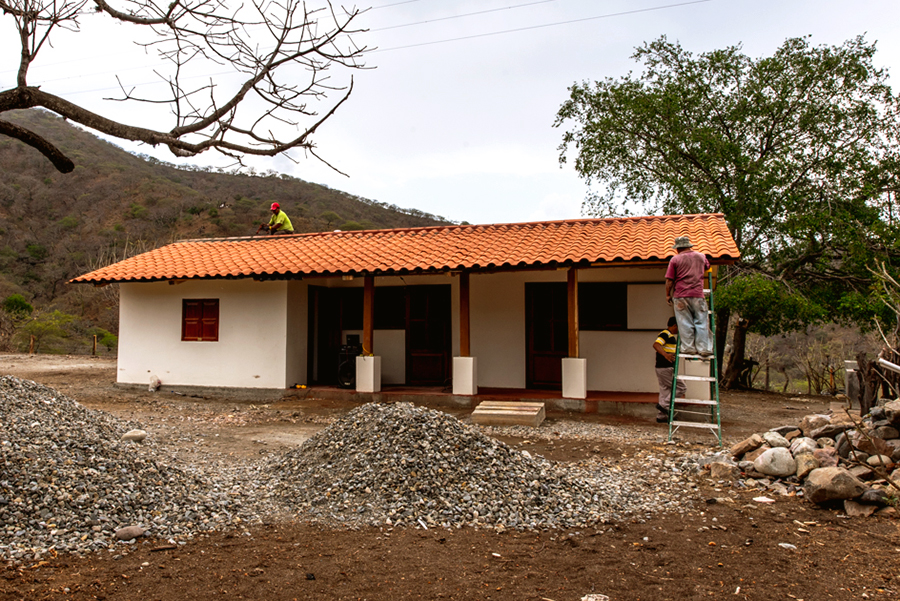
In a pursuit of fair health conditions for everybody, the idea of modifying the architecture of the homes of those who are at risk of infection came up. The solution is not only ideal, but also targets the three action lines that move this project. By building new Chagas resistant houses, we are changing the structural conditions for infection in southern Ecuador and also setting a foundation for social development and human wellbeing in Loja.


Would you like to be part of the solution? Contact us: cisealpuce@puce.edu.ec


Related links:  Combating Chagas in Ecuador
perfilesinves

Our researchers are a reflection of CISeAL's continuous effort to invest the best resources and human talent for the well-being of those who need it most. The research teams are organized in accordance with our organizational structure, which promotes the generation of interdisciplinary knowledge, through collaborations between groups, while promoting the development of independent lines of research within each team.

Every team has a leader (principal investigators), who accompanies the work of the associate, adjunct, visiting and external adjunct researchers.

Get to know the profiles of each of our researchers:

 
research 002
 
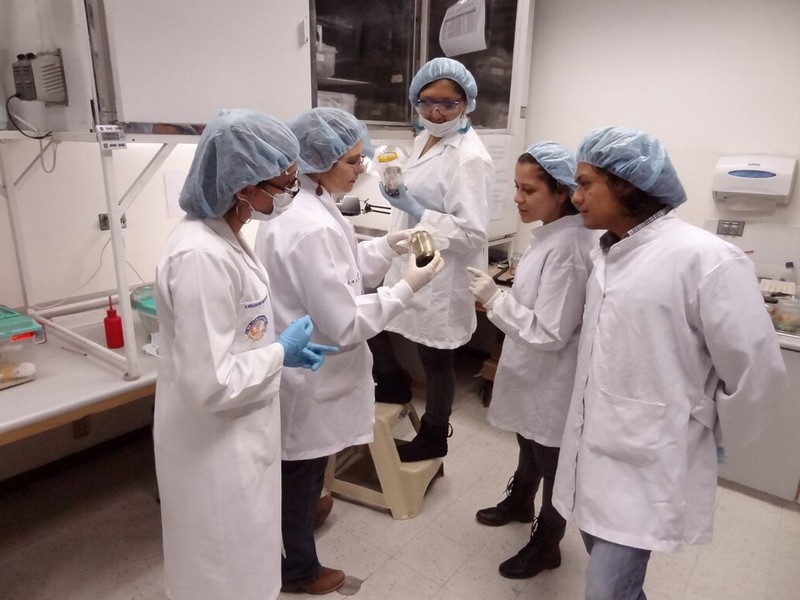
Research conducted at CISeAL aims at advancing the health and standards of living of people at risk of contracting chronic and infectious diseases, such as Chagas Disease, dengue, and malaria.

Our efforts to understand and fight infectious and chronicles diseases give better results through the joint work between our researchers and international partners. Our social and scientific commitment goes further the laboratory, which is why we look up to a holistic comprehension of the context in which these diseases thrive.
 
If you would like to know more about our job and how our research has a positive impact in society, visit: Healthy Living Iniciative


Chagas Disease
 
 
Chagas is a parasitic, systemic, and chronic vector-transmitted disease, caused by protozoan Trypanosoma cruzi. It is closely related to cultural, economic, and social factors, and it is considered a neglected disease. Chagas is an endemic disease in 21 American countries, although the migration of infected people can spread it to non-endemic countries in America and the rest of the world.

The disease is transmitted through vectors, particularly Hemiptera (kissing bugs) from subfamily Triatominae (hematophagous). They infect people by biting them and depositing their infected feces on skin wounds or mucosa. The disease can also be transmitted via transfusion or organ transplant, congenitally, and orally. It is believed that around 100 million people in the region are at risk of contracting Chagas disease and around 8 million people are infected. Furthermore, 56,000 new cases are reported every year resulting from all transmission methods, which cause 12,000 deaths every year.


Dengue
Dengue
 
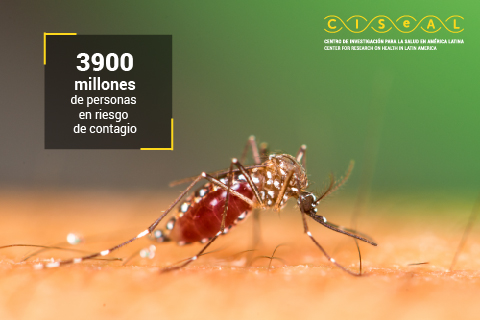
According to the World Health Organization, dengue fever is considered the most important vector-transmitted human viral disease, with an incidence rate of over 50 million new cases every year. The causal agent of the disease is dengue virus, which is transmitted to human beings after they are bitten by mosquitoes of the Aedes genus. The main vector is the mosquito Aedes aegypti, an African species most commonly known as “yellow fever mosquito,” as it is also the most prominent vector of that disease.
 
Thus far there is no specific vaccine or treatment against dengue fever, the major prevention and control mechanism is vector monitoring. Considering the great genetic plasticity that is characteristic of insect populations in general (and mosquitoes, particularly), control efforts benefit greatly from information that enables the identification of local populations of mosquito vectors. But available research reports about Ecuadorian Aedes aegypti populations are extremely limited, which is why it is essential to fill the knowledge gap as regards one of the main infectious disease vectors in Ecuador.

research 015
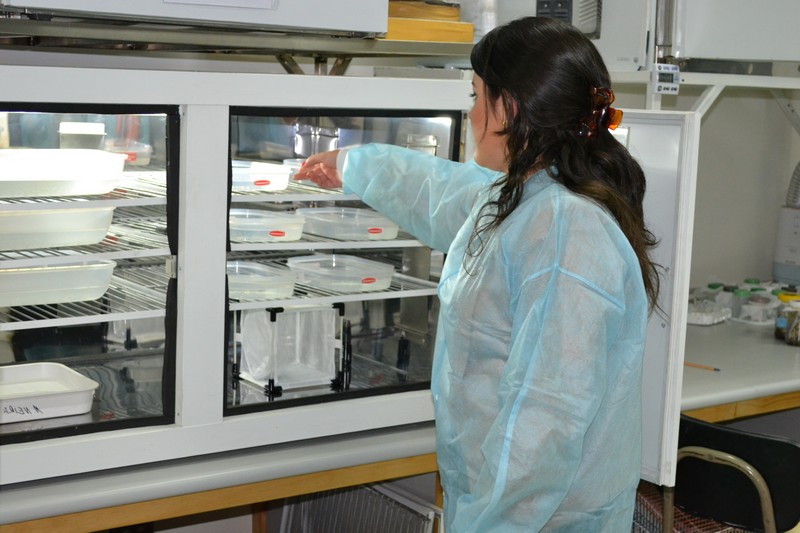
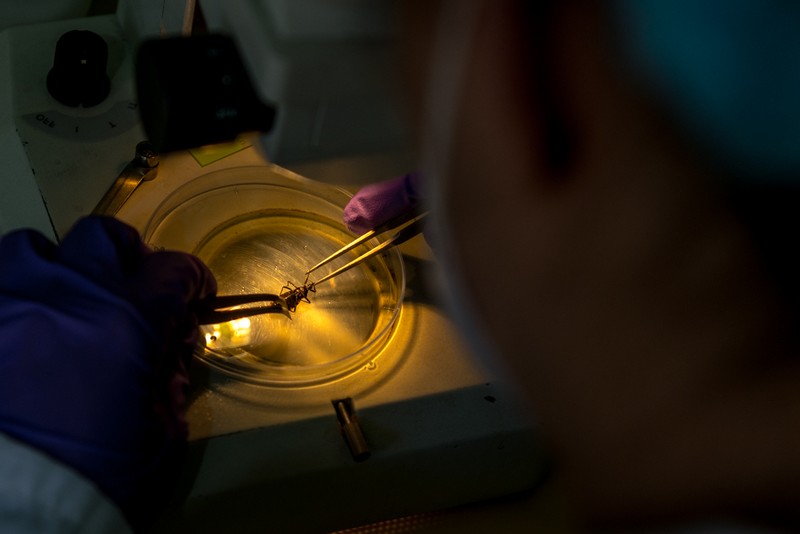
For this purpose, CISeAL has developed the infrastructure and protocols necessary to maintain Aedes aegypti colonies in our insectary that allows us to obtain the biologic material we need to conduct a detailed examination of this species. Currently, and in collaboration with foreign and national researchers, we work on projects focused on monitoring pesticide resistance in Ecuadorian populations of Aedes aegypti and assessing new control mechanisms, as well as research on this species molecular biology and physiology.


 Malaria
 
Malaria
 
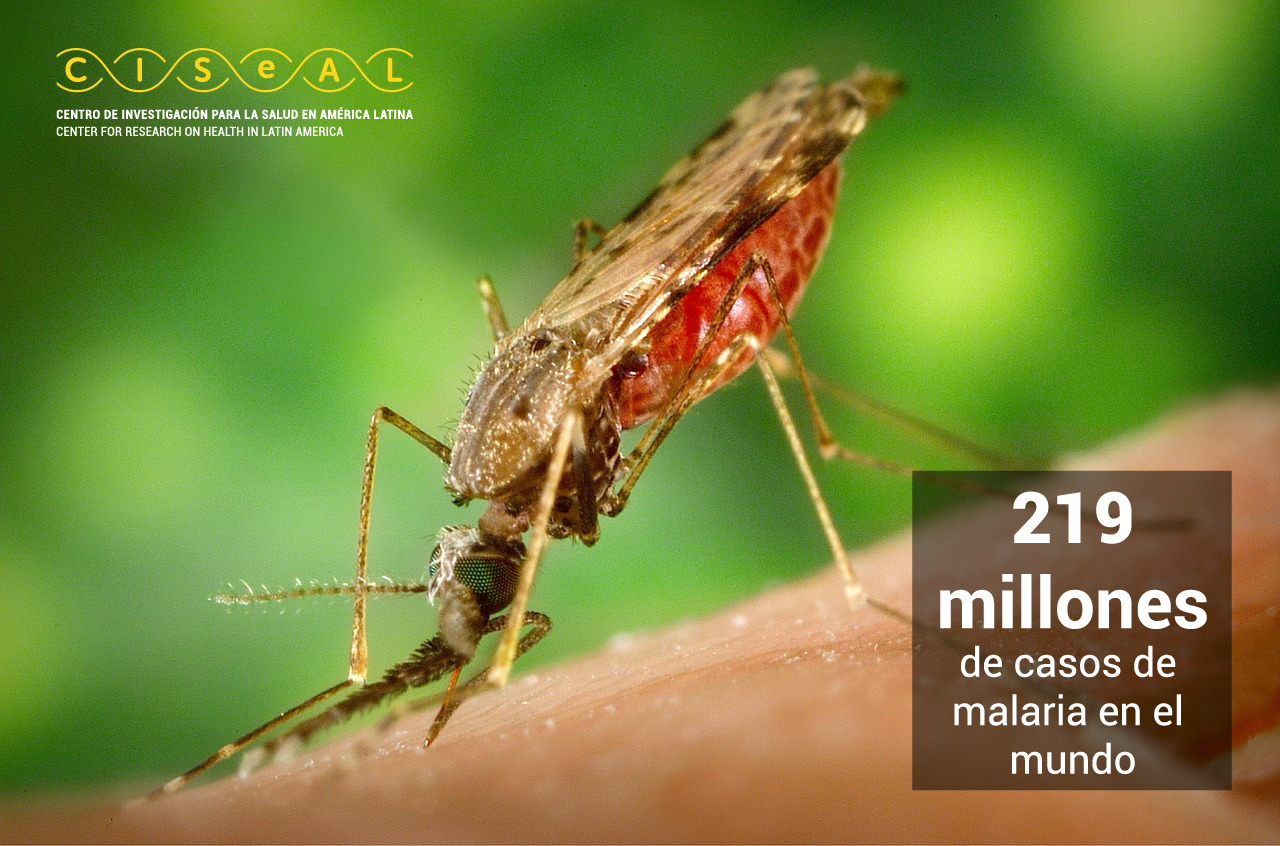
Malaria is a disease caused by a parasite of the Plasmodium genus, and it is transmitted through the female Anopheles mosquito. The main species that cause malaria in human beings are P. falciparum and P. vivax. Malaria is one of the major causes of mortality and morbidity in tropical and sub-tropical areas of the world, especially in Africa, where over 500,000 people die every year.

In Ecuador, the incidence rate of malaria has decreased significantly over the past years (over 99% decrease since 2001). Nowadays, the country is in the pre-elimination phase. However, outbreaks still occur on both sides of the Andes. Therefore, the development of research that contributes to malaria eradication policies is vital.
 
 
research 011


Lead Researcher: Esteban Baus C., MA.
Research Area: Healthy Living Initiative: a model for the sustainable prevention of Chagas disease. Biodiversity Conservation. Scientific Communication.

To control or prevent poverty or neglected diseases, like Chagas disease, a comprehensive, multidisciplinary approach is important, which is how the “Healthy Living Initiative” was created. With the participation of architects, sociologists, communication specialists, biologists, and social development promoters, among others, the biological, social, and environmental determinants were able to be understood as well as the community’s dynamics, its needs, and its strengths regarding its own development. Through the “Healthy Homes for Healthy Living” strategy, we have developed, with the community’s participation, healthy environments that constitute real physical barriers between triatomines and those who live in Loja Province’s rural areas.

Through the lab “ComCiencia: link between science and the community,” we work to increase awareness of how the academic world solves our society’s problems. Scientific dissemination supported by digital tools allows us to connect these two worlds in a creative, interesting, and fun way.

Line of research (PUCE): Health and vulnerable groups; Biodiversity conservation; Education, Communication, cultures and society. 


Lead Researcher: Rosa Chiriboga, MPH.
Research Area: Blood Banks Reference Unit (URBS).
The Blood Bank Referral Unit in CISeAL contains an International ISO certificate (9001:2015),The Blood Bank Referral Unit in CISeAL contains an International ISO certificate (9001:2015),which permits us to maintain a Quality Management System to develop external evaluationprograms of the performance and internal controls for serological screening of the Blood BankServices of the country that are part of the Integral Public Health Network and theComplementary Private Network, with the goal of support the National Blood Program.Additionally, we provide technical assistance and ongoing training to the Blood Services of thecountry.
Line of research (PUCE): Health and vulnerable groups. 
 
 
Research area: Trypanosoma cruzi host/parasite interactions and epidemiology of Chagas disease in Ecuador.
We focus on the biology of Trypanosoma cruzi, including its interaction with non-phagocytic mammalian host cells and the progression of the parasite´s intracellular cycle. Additionally, we study the epidemiology of T. cruzi in Ecuador, including the parasite´s genetic diversity and transmission patterns in different geographic regions, to facilitate the design of sound Chagas disease-control strategies in the country. We also participate in studies aimed at anti-T. cruzi drug development.
Line of research (PUCE): Health and vulnerable groups. 
 
 
Associate Researcher: Ana María Gómez J. MD.
Research Area: Evidence-Based Medicine applied to Infectious Diseases. HIV virus resistance.
Member of the group of Dr. Ruth Jimbo-Sotomayor.
 
In low-income countries, resistance to 1st-line antiretrovirals (ARVs) is increasing, being a growing trend in Latin America. There is a need to incorporate genotypic resistance testing in HIV positive patients as a routine health surveillance strategy in these countries. We intend to perform a genotypic resistance analysis against the 1st and 2nd line ARVs both in naive patients and in those treated for virological failure, who have developed clinical complications. Because new cases of HIV in the country have increased in recent years, it is essential to know the real situation of the PLWHA population (People living with HIV/AIDS) in Ecuador.
Line of research: Health and vulnerable groups. 
 
 
Lead Researcher: Mario J. Grijalva, Ph.D.
Research Area: Healthy Living Initiative: a model for the sustainable prevention of Chagas disease.
We aim at developing multidisciplinary research projects that improve our understanding of structural circumstances related to the occurrence of chronic and infectious diseases. Through the Healthy Living Initiative, we seek to implement our knowledge in socio-economic, behavioral, and cultural aspects of communities exposed to Chagas disease in southern Ecuador, and in the development of sustainable initiatives to combat and control Chagas disease and other illnesses affecting neglected populations. We intend to bridge the theory-practice gap, and to apply scientific and local knowledge in the developing of community-impact projects that advance family and individual health and wellbeing. Particularly, our strategy “Healthy Homes for Healthy Living” has enabled us to develop sustainable environments that avoid the presence of triatomines in rural homes, considering rural conditions and resources available in local communities.
Line of research: Health and vulnerable groups. 
 
Research Area: Immunizations. Immuno-preventable diseases. Health and technology assessment. Economic evaluations in health.
Immunization is one of the most important prevention strategies in public health, which avoids and reduces the appearance of infectious diseases in millions of people around the world. Immunization is considered one of the most cost-effective health technologies. We research the burden of the disease and the associated costs of immunopreventable diseases at the ambulatory and hospital level. We also estimate the clinical and economic impact of vaccines for the context of Ecuador and Latin America. With the introduction of new vaccines to the Ecuadorian immunization scheme, we carry out cost-effectiveness studies as an input for decision-making in health.
Line of research (PUCE): Health and vulnerable groups. 
 
Research Area: Development of new research methodologies applied to the generation of healthy environments.
Our research focuses on urban design and sustainable architecture with an emphasis on the performance of the built environment for comfort and health. In collaboration with other disciplines, we developed the Healthy Living Initiative, which, through changes in the housing infrastructure in southern Ecuador, seeks to generate a model for the prevention of Chagas Disease that can be replicated on a national scale.
 
 
Research Area: Prevention of gender violence. Health promotion. Lifestyles. Situation of violence in adolescent dating..
Development of studies about the state policy on the eradication of gender violence in Ecuador. The analysis of this problem demonstrates the sensitivity and support of the academy in the construction of equality. The main commitment is the generation and dissemination of knowledge that makes gender-based violence visible in different populations or areas, consequences on physical and mental health, analysis of roles and stereotypes, as well as the design and implementation of preventive programs with verification of its effectiveness. This last aspect, with the intention of expanding the social and scientific transfer of prevention programs implemented in the community.
Line of research (PUCE): Health and vulnerable groups. 
 
 
Lead Researcher: Ana Lucía Moncayo, Ph.D.
Research Area: Public Health, Epidemiology of infectious diseases, Evaluation of public health policies, Malnutrition in children.
We research the biological, socioeconomic, and environmental determinants of chronic and infectious diseases with the goal of allowing public health officials to incorporate scientific evidence into their decision-making, policy development, and program implementation. We also work on public health policy and program evaluation so that authorities can understand the effectiveness of their programs and, in this way, better guide their processes of improvement.
Line of research (PUCE): Health and vulnerable groups. 
  
Research area: Dynamics and interactions between parasite-vector-host. 
Our research focuses on the dynamics and interactions between parasite-vector-host, which have a role in the transmission of infectious diseases, particularly, in cases of Chagas and Malaria. Our goal is to understand transmission cycles of Chagas disease in different ecological environments, molecular genetics of parasites such as Trypanosoma cruzi and Trypanosoma rangeli and the role of mammal hosts in the connections between transmission cycles. Our research in Malaria focuses in the biology of vectors in terms of diversity and use of molecular methods for its identification. In addition, we also use geometric morphometry to identify populations and to determine the resistance to insecticides.
Line of research (PUCE): Health and vulnerable groups.
 
 
Adjunct Researcher: Miryan Rivera, Mtr.
Research Area: Cytogenetics and amphibian biomolecules.
Member of the group of Dr. Jaime Costales.
We focus on the analysis of Ecuadorian amphibian’s skins secretions with the purpose of determining its possible biomedical implications. The “in vitro” results achieved until now, allowed to determine that these secretions are capable of inhibit multi-resistant bacteria growth, fungi growth, malignant cells of acute and chronic lymphocytic leukemia and lung cancer, without causing any harm to healthy cells. In addition, we carry out cytogenetic analyzes of Ecuadorian amphibian species, for taxonomic purposes.
 
Lead Researcher: Fabián Sáenz, Ph.D.
Research Area: Molecular epidemiology of the malaria parasite.
Our research projects focus on the molecular epidemiology of Plasmodium, the parasite causing malaria. We are interested in examining the importance of asymptomatic cases in the persistence of malaria outbreaks in Ecuador, Plasmodium resistance to anti-malaria medicines, and the genetics of Plasmodium populations to determine their origin and mobility. Analyzing these topics is key to contribute to the elimination of malaria in Ecuador.
Line of research (PUCE): Health and vulnerable groups. 
 
Research Area: Health and technology assessment. Rational use of medicines. Economic evaluations in health. Pharmaco-economics.
Under a systematic process of valuation of properties, we research the effects and impacts of sanitary technologies. By assessing its medical, social, ethical and economic dimensions, our main objective is to generate information to be applied in decision-making in the health field. We focus on the evaluation of different aspects related to the benefits and costs of health, such as: cost-benefit, cost-effectiveness and cost-utility ratio.
Line of research (PUCE): Health and vulnerable groups. 
 
Associate Researcher: Betzabé Tello, PhD(c).
Research Area: Maternal and child health. Assessment of health technologies. Early Childhood Development.
Member of the group of Dr. Ruth Jimbo Sotomayor.
The first years of life of a human being are fundamental for their integral development and constitute the basis for a prosperous and sustainable society. Our research focuses on studying healthy child development and risk factors that affect children from conception to eight years of age. This information provides elements to build public policy proposals, programs and projects for health services, adequate nutrition, responsive care, protection, safety and opportunities for early learning. The inclusion of interventions in favor of children with an approach based on bioethical principles and human rights, in areas such as health, social protection and education, increase the chances of survival and that children reach their full potential.
Line of research (PUCE): 1. Health and vulnerable groups. 


Lead Researcher: Anita Villacís, PhD.
Research Area: Science applied to the prevention and control of Chagas disease. Studies of Biology, ecology, antennal phenotype, morphometry and genetic diversity of Triatomines.
This area of CISeAL is in charge of the collection, identification, taxonomic classification, supervision, and maintenance of triatomine colonies. We conduct studies on life cycles, antennal phenotype, geometric morphometrics, and molecular analysis of triatomine species genetic diversity. Also, we develop molecular models of the infectious agent causing Chagas disease. We also provide consulting services and support for Chagas disease prevention campaigns in rural communities through health promotion strategies designed to be delivered in the home that include educational materials, such as brochures and digital games.
Line of research (PUCE): Health and vulnerable groups. 


Lead Researcher: César Yumiseva, Mtr.
Research Area: Diseases Ecology, Spatial Ecology, Spatial Epidemiology, Geostatistics and Ecological Niche Models.
We work in collaboration with other units at CISeAL in the design of data management plans for each project, as well as in evaluating its effectiveness.  We offer support to different units of PUCE in the development of their projects and data management. We also work in the application of Geographical Information Systems in the ecology and epidemiology of diseases by developing predictive maps and models that allow improving vectors control.
Line of research (PUCE): Health and vulnerable groups.


Subcategories

CISeAL has 14 principal investigators on staff, belonging to the Faculties of Exact and Natural Sciences, Medicine, Nursing and Architecture of the Pontificia Universidad Católica del Ecuador.

Learn more about each of our researchers, their research groups and their lines of research below:


Actually, CISeAL has 4 associated researchers.

Learn more about each of our researchers, their research groups and their lines of research below:

CISeAL has 15 attached researchers, belonging to the Faculties of Medicine, Nursing, Architecture, Economics, Engineering and Business Administration of the Pontificia Universidad Católica del Ecuador.

Learn more about each of our researchers, their research groups and their lines of research below:

CISeAL has 14 research groups that approach health from a range of perspectives and that specialize in the diagnosis, understanding, treatment and public policy of different diseases.

Learn more about the lines of research of each group and its members here: