


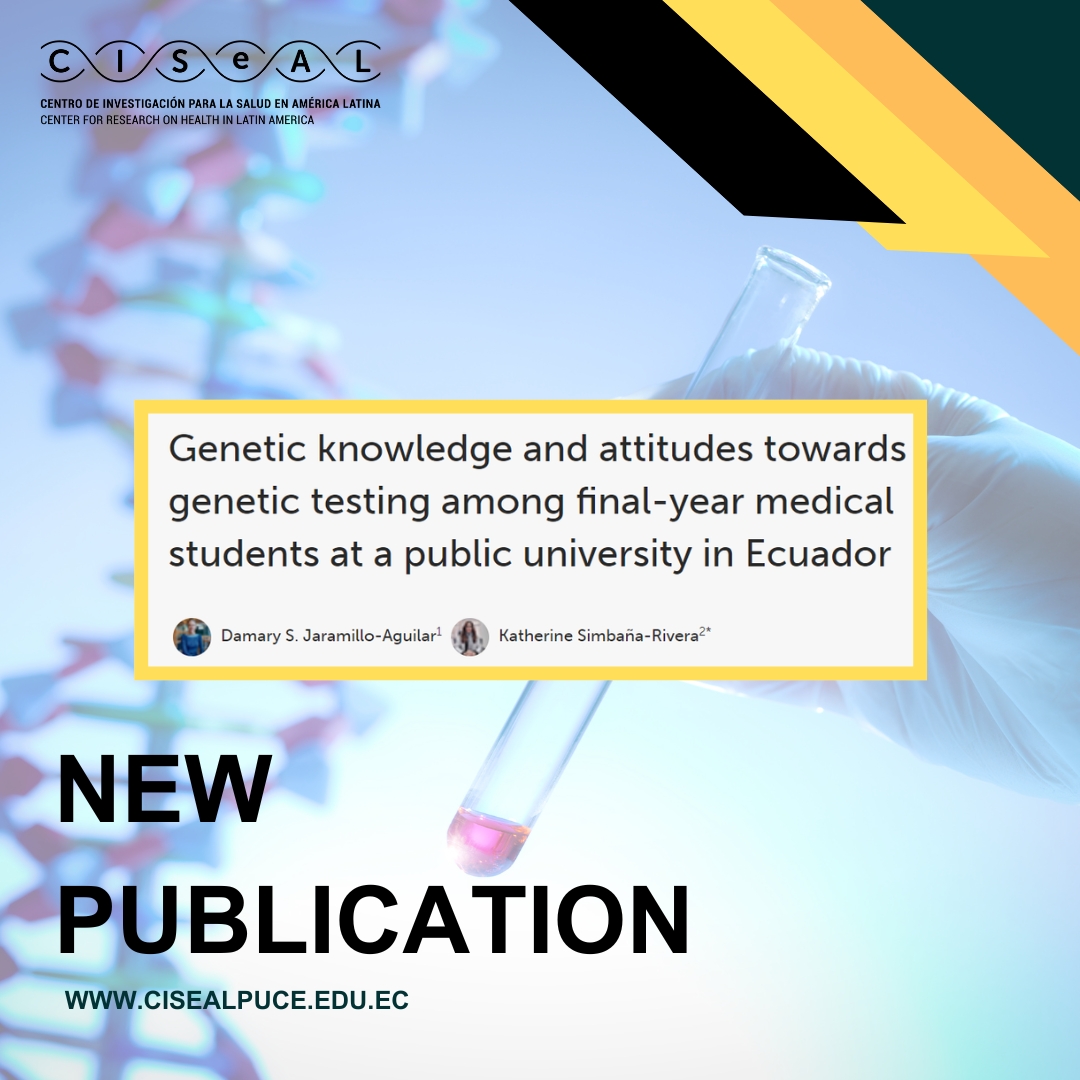
 Genetics is a fundamental discipline within biology that studies the structure and function of genes, genetic variability and inheritance in living organisms. Since the launch of the Human Genome Project (HGP) in the 1980s, which sought to decipher the chemical composition of the human genetic code, the importance of genetics in the biological and health sciences has been underscored. Despite technological and research advances in genetics, numerous studies have shown that health professionals have limited knowledge about personalized medicine, genetic testing and interpretation, and genetic counseling. This lack of knowledge directly affects medical practice, resulting in inappropriate referral of patients to specialized services and incorrect treatments. Training in genetics during the university career is crucial, however, there are many deficiencies in the teaching-learning process in this area.
In Latin America, genetics education in medical programs and its research in the general population are limited, due to health disparities, lack of genetic resources and regulations on genetic information management, and limited participation of health professionals in the subject. A previous study in Ecuador evaluated the basic knowledge of genetics in students of various disciplines, but the results are not representative of other institutions or specialized students such as medical students. This study, conducted by our CISeAL researcher Katherine Simbaña-Rivera and Dr. Damary S. Jaramillo-Aguilar, focused on determining the knowledge and attitudes towards genetic testing in final year medical students at a public university in Ecuador.
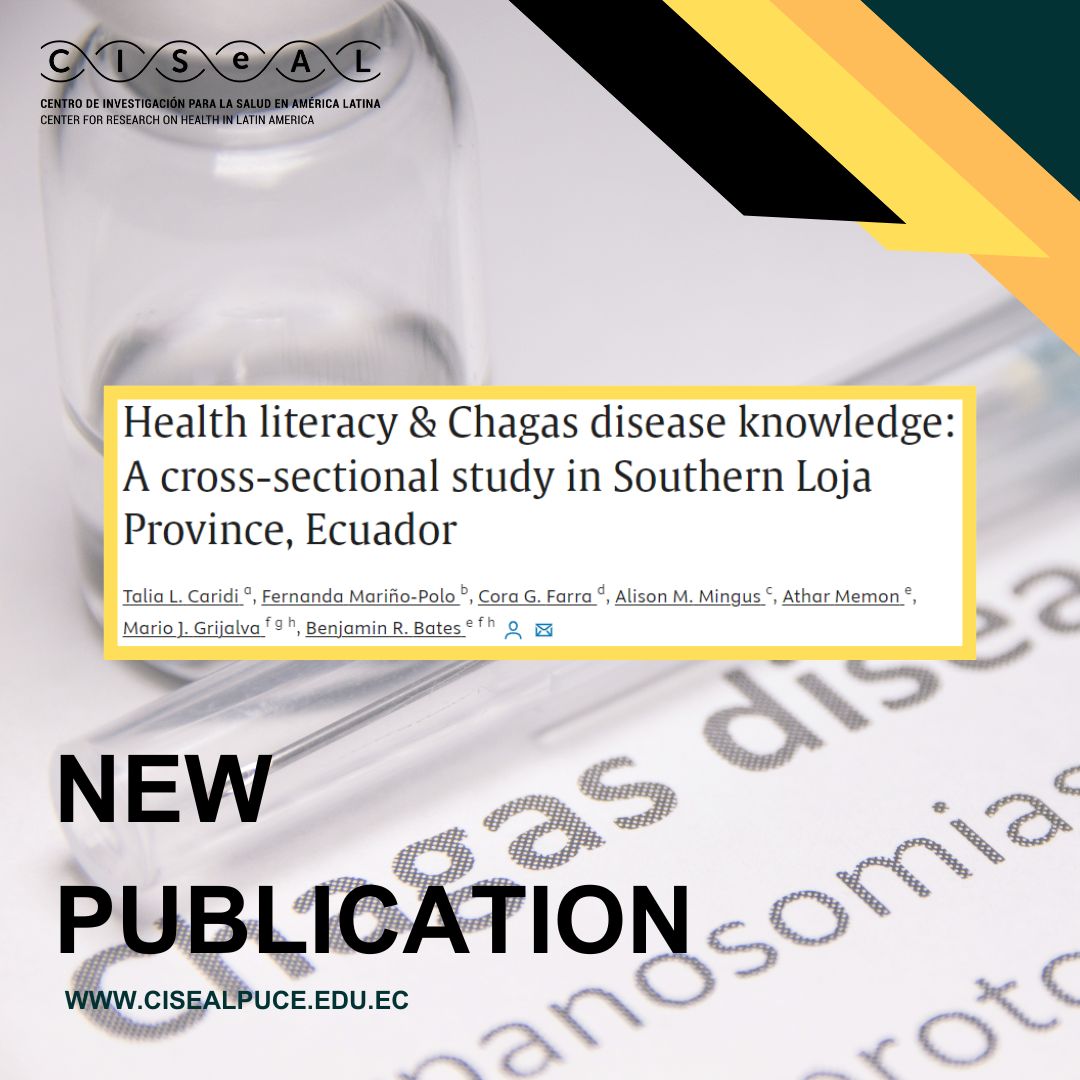 CISeAL principal investigator Mario J. Grijalva, in the last study he was part of, shares with us an analysis of health literacy and knowledge about Chagas disease in the Province of Loja, Ecuador. The study sought to determine the relationship between people's level of health literacy and their knowledge about this disease. For this purpose, a cross-sectional survey was conducted with residents of two rural cantons who attended a mobile health clinic. These communities, characterized by their high risk of Chagas disease and limited access to health services and educational resources, provided an ideal setting for the research.

 Our CISeAL investigators, Dr. Ruth Jimbo-Sotomayor and Dr. Xavier Sanchez, led a comprehensive study documenting the process of introducing COVID-19 vaccines in selected countries in Latin America and the Caribbean. The research was conducted during the period from December 2021 to September 2022.
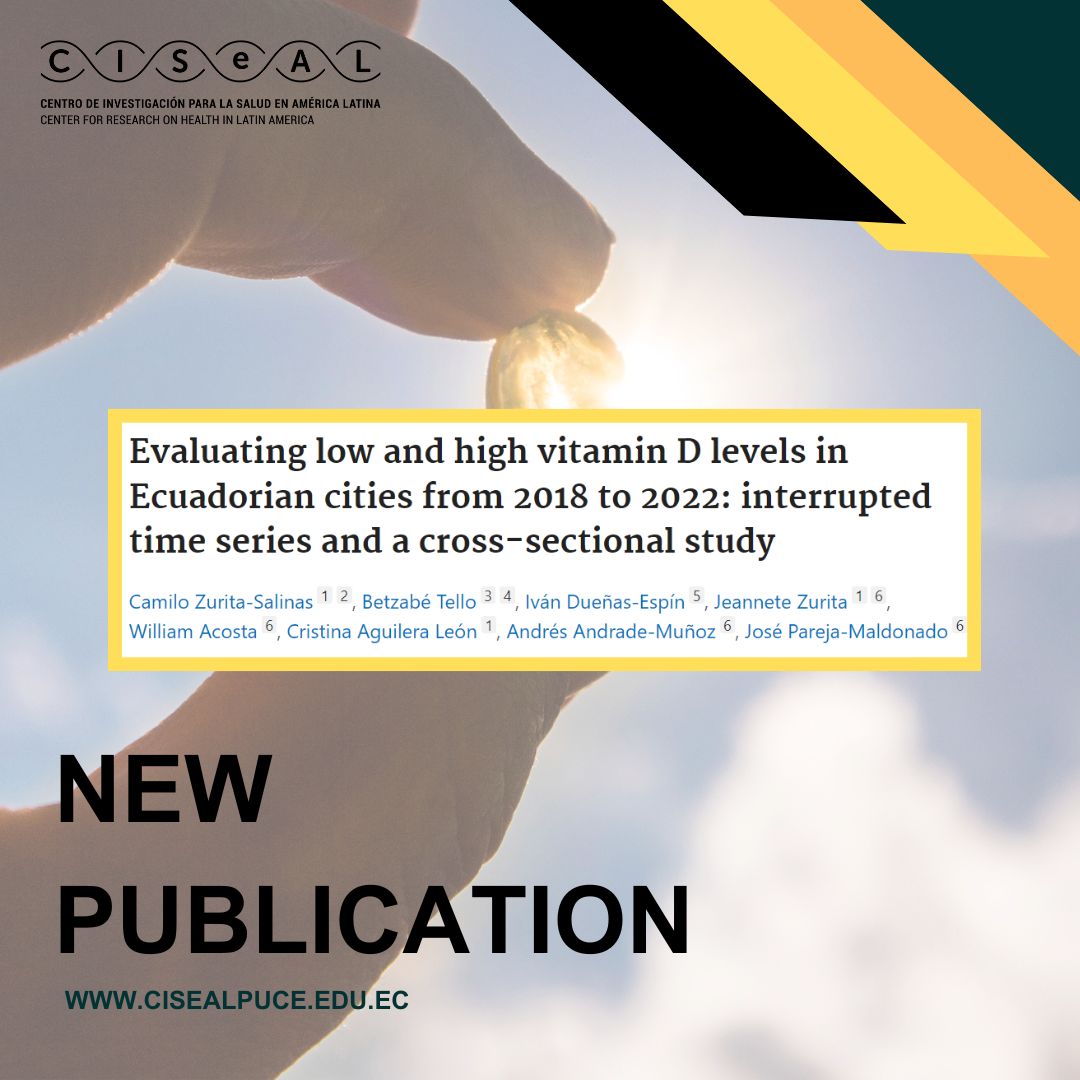 Our CISeAL Investigator Associate, Dr. Betzabé Tello was part of a study that evaluated vitamin D levels in several Ecuadorian cities between 2018 and 2022. The study included 9285 participants whose 25-hydroxyvitamin D (25(OH)D) levels were analyzed in a private laboratory in Quito. A combined interrupted time series design and retrospective cross-sectional approach was used to identify differences in vitamin D concentrations and their relationship to the pre-pandemic and pandemic periods.
